What the current ZANZAN reports show
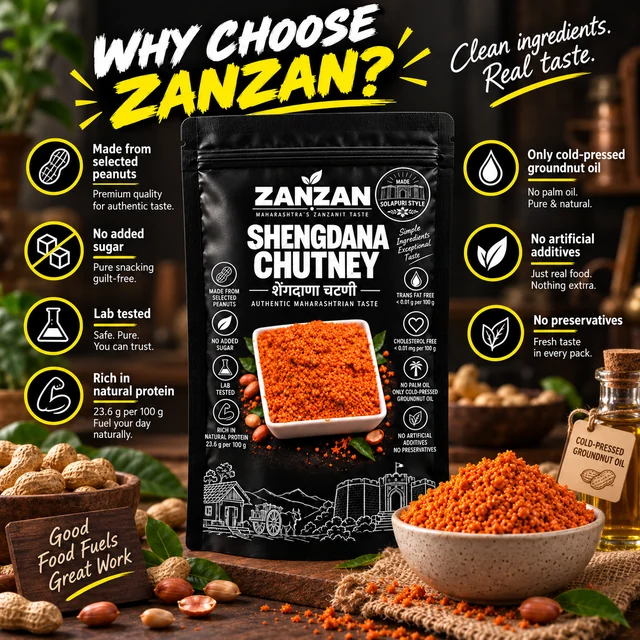
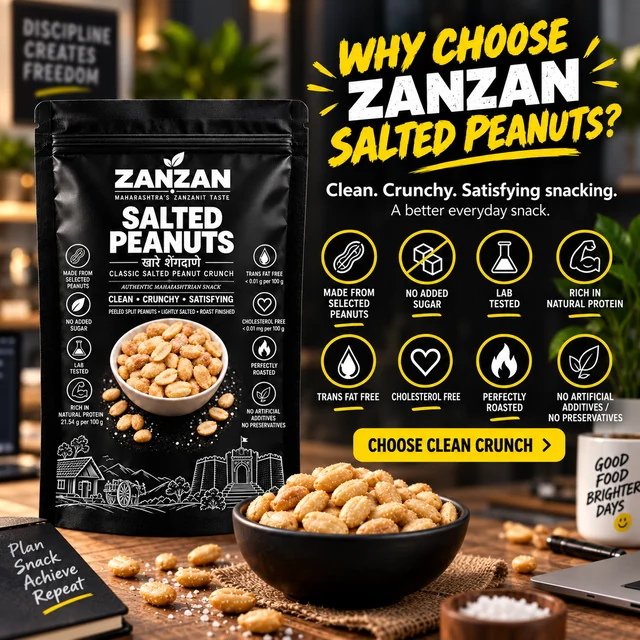
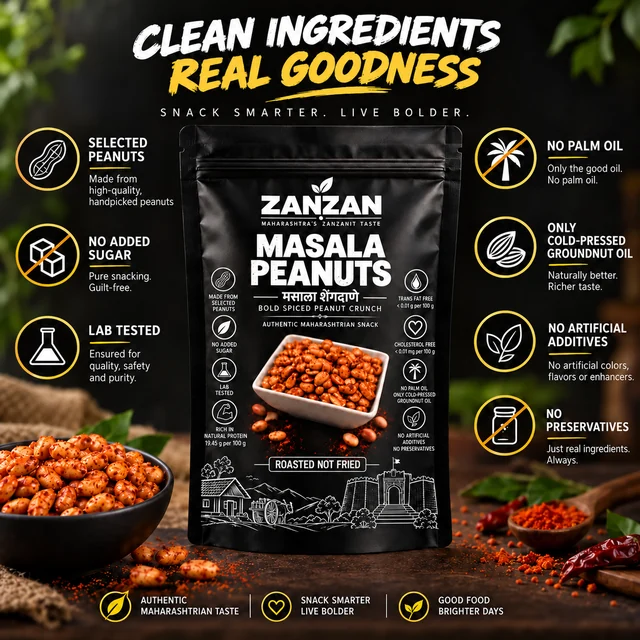
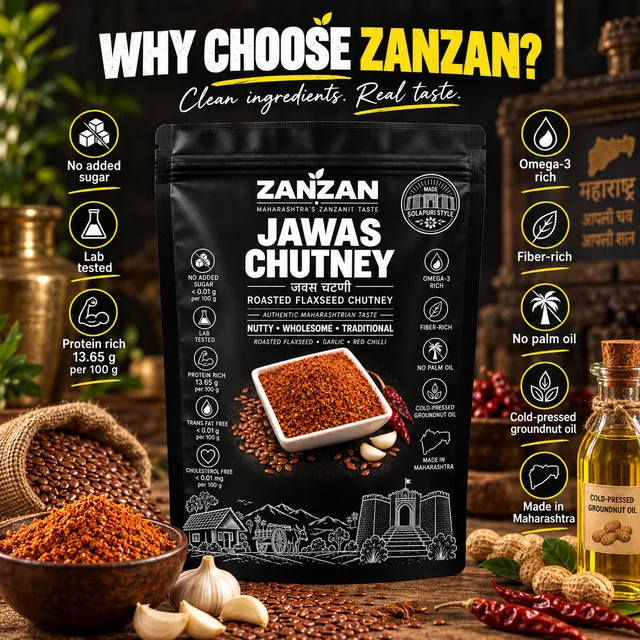
Shengdana Chutney 23.6 g, Salted Peanuts 21.54 g, Masala Peanuts 19.45 g, and Jawas Chutney 13.65 g per 100 g in their current independent tested-sample reports. These values come from independent product-specific reports for the tested samples and are shown per 100 g for comparison. The linked reports and physical pouch should be read together with the ingredient list and serving context.
Per 100 g is a comparison tool, not a serving recommendation
A 100 g laboratory basis makes products easier to compare, but the amount you actually eat may be much smaller. Dry chutney is typically used as an accompaniment, while peanuts may be eaten as a snack portion. Compare like with like and avoid turning a laboratory basis into a serving suggestion.
Peanuts naturally contain protein, but protein is not the whole label
Peanuts are naturally protein-containing and also contain substantial fat and energy. Seasoning can change sodium, and recipe additions can change the final nutrition profile. If protein is your priority, also read total energy, fat, sodium, ingredients and allergens before choosing.
A protein snack search does not automatically mean a high-protein claim
Search language and regulated package claims are different things. We use the measured product values to help comparison and avoid turning them into a broader high-protein or health promise unless a specific claim is appropriate and supported for that product.
Which ZANZAN products fit a protein-focused comparison?
Shengdana Chutney, Masala Peanuts and Salted Peanuts are peanut-based products, while Jawas Chutney is flaxseed-based. Use the product pages to compare the measured protein value together with energy, total fat, sodium, allergens and the way you plan to use the food.
Which ZANZAN product has the most protein per 100 g in the current reports?
The current tested-sample reports show Shengdana Chutney at 23.6 g protein per 100 g, followed by Salted Peanuts at 21.54 g and Masala Peanuts at 19.45 g. Per-100 g figures are comparison values, not serving recommendations.
Are peanuts a protein snack?
Peanuts naturally contain protein, so peanut-based snacks can contribute protein. They also contain significant fat and energy, so the full nutrition panel and portion size matter.
Does ZANZAN call its products high-protein?
This guide focuses on measured protein values from current product-specific reports rather than using one blanket high-protein claim across the range.